
- Joined
- Mar 2, 2000
- RO Number
- 36
- Messages
- 6,625


The pilot's vision was probably obstructed the moment he set the throttle. Now, if he started up with those boats in his path, that's not exactly brilliant. We boated quite a bit in the dinghy around Elbow Cay in the Abacos. There is a long spoil bank leading into White Sound. We were coming back from Hope Town in the dink and turned into the channel leading up to the Abaco Inn. Two float planes were sitting there with props spinning so I stopped the dink and pulled well clear of the channel. The pilots flashed there landing lights several times. So we moved in and made the corner towards Sea Spray. The planes blew by us and took off.The person in the boat should have been trying to get away if he saw the plane in time. The pilot was not paying much attention either.
Who is "in right" does not matter to those dead or injured.
George

Not so in Canada. Boat was from the right, thus was the stand on, but if it were from the left, the plane has the right of way. 602.20 (1)Colregs are clear… boats are stand on, seaplane are give way. Obviously both are responsible to avoid a collision but it much harder to do when doing 8 or 9 kts vs 70.
Unless there are specific harbor regs going against the colregs. Often there will be seaplane operating zones on charts but that downs tgive them any special privileges
I was wondering if COLREGS were applicable.Interesting how the COLREGS and CARs differs. The COLREGS are international and apply worldwide. Local harbor rules are another matter but how would an American vessel know that the CARs give stand on status to a seaplane on port side?
There should be plenty of markers. I saw none in the videos. But not having access to the Canadian charts all I could find was a warning blob on Active Captain (garmin).
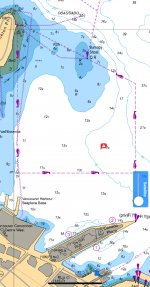
Good point. The international part of the colregs apllies outside the demarcation lines. Inland section only applies in US inland waters. There must be Canadian plubkication for inland watersI was wondering if COLREGS were applicable.