Check valves on Bilge pumps?

i was really surprised to find check valves on ALL the 4 bilge pumps on that boat. Knowing how many express (and FB) that "well known buider" cranks out, i can't imagine that most surveors write up the check valves. it must be like, they're all like that, it's ok.

well it's not ok, because in this case, the only bilge pump forward of the engine room bulkhead wasn't working...

Fred, what about tinned wire? I thought it was also an ABYC standard that most builders followed? i found a lot of orginal factory installed plain copper wire on that boat. Interestingly, on the electrical panel side, you could see tinned wiring, but not on the business end like on the water pump or bilge pump.
 
On my boat I added a check valve on the aft bilge pump because in rough seas while drift fishing water would come in the thru-hull for that pump and the pump would end up cycling on and off a lot. Because this pump is under the cockpit there wasn't enough room to put a loop in the line so the check valve seemed like the best solution. It's a simple rubber flapper as described above and is working fine after 3+ years. There are 3 other bilge pumps further forward that don't need them.
 
I have a diaphragm bilge pump as the one that sucks the bilge dry and the switch that activates it keeps it running for about a minute after the level switch no longer senses water. Result a dry bilge. This pump does not move a lot of water but it keeps the bilge dry.
I have two 2500 CFPH pumps as backups to this one that can move a lot of water if it gets up to their float switches.
The diaphragm pumps will suck the last drop. Even better if you use one of the pickups that lay flat aginst the bottom of the bilge at the lowest point.
 
"Because this pump is under the cockpit there wasn't enough room to put a loop in the line so the check valve seemed like the best solution."
JohnC,
If I were you I would run that discharge hose to a place where you can put a loop as high above the waterline as you can, or maybe you could move the outlet higher up on the hull where it won't normally take on water. The installation like you describe is not good, and has contributed to many boats sinking.
Brian Stetler
 
quote:

Originally posted by dominic

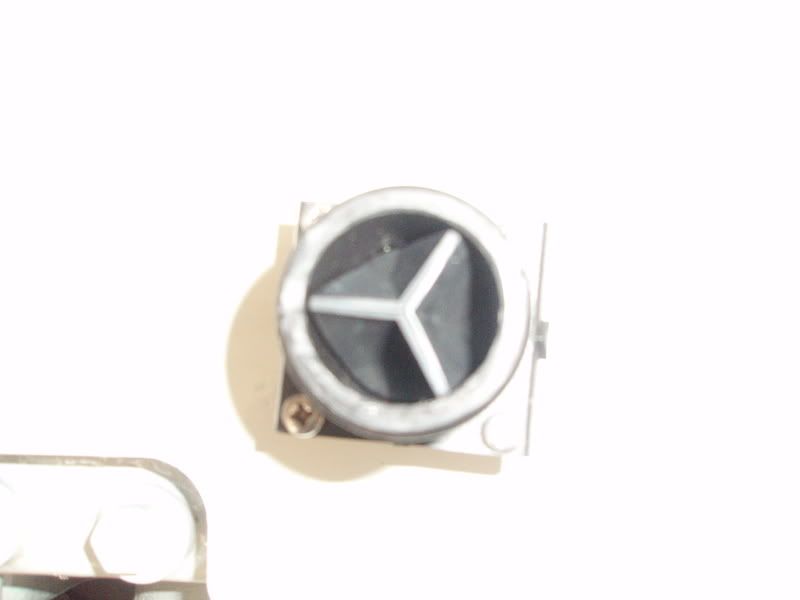
I purchased Whale check valves from boatfix for a non bilge pump type of application. They are the same check valves used by (well known builder). They have three rubber vanes that stay slightly open when no water is in the line. If water trys to come back into the valve on the output side, the vanes close tight on each other. They work with the same principle of duck bill valves in a vacu flush system. They are also the same valves used in many shower/gray water sumps. The valves themselves are very reliable from my experience with them...

P7130296.jpg


In my experience, this is NOT a reliable valve. This exact type was installed as OEM equipment on my Rule shower sump. The bilge-type pump in the sump could not open the check value, even with a fairly low rise on the hose. The sump was full so the pump ran continuously. I imagine the same situation on a bilge pump could lead to a sinking.

I replaced that rubber value with a ball-type value from Raritan, and it works like a charm.
 
Back
Top